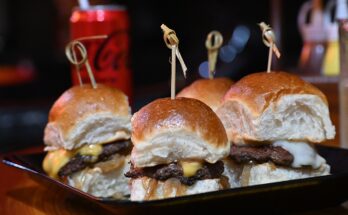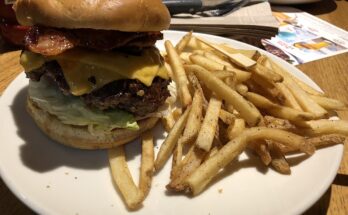
Few foods capture pure comfort and culinary science quite like a great Smash Burger. Unlike thick, pub-style patties cooked over open flames, this beloved classic trades height for texture—delivering deeply caramelized, lacy edges and a juicy center in every single bite. Whether you are planning a weekend cookout or hunting down the crispiest griddle burger in your city, understanding what makes this dish tick will change how you look at beef and bread forever.
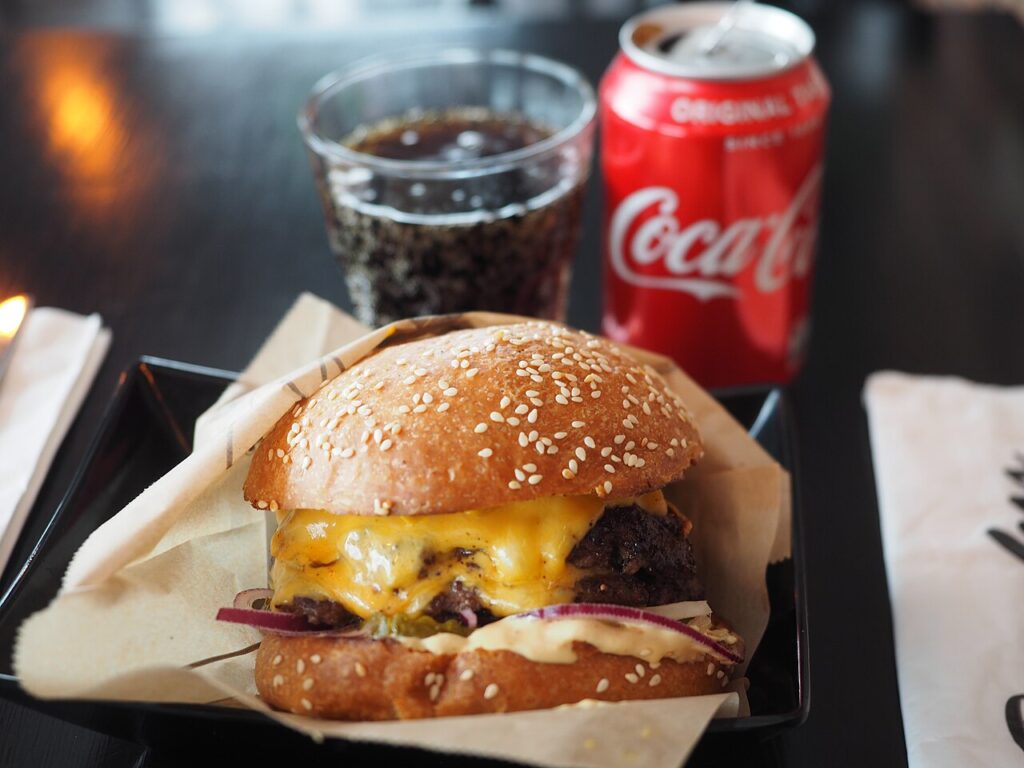
What Is a Smash Burger? Origin & History
At its core, a Smash Burger is made by pressing a loose ball of cold ground beef directly onto a blazing-hot flat-top griddle or cast-iron skillet using a heavy metal spatula or burger press. That aggressive contact maximizes surface area against scorching metal, triggering an intense Maillard reaction—the chemical process responsible for savory browning and deep umami flavor.
While the technique surged to global fame over the last decade, its roots trace back to the American Midwest in the early-to-mid 20th century. During the Great Depression in western Oklahoma, cooks stretched scarce beef supplies by pressing thin patties onto griddles packed with paper-thin onion slices. Meanwhile, mid-century dairy stands and diners across Kansas, Wisconsin, and Michigan—such as the famous Miner-Dunn in Indiana and later midwestern custard-and-burger chains—perfected ultra-thin, crispy-edged patties. In 2007, Denver restaurateurs popularized the literal name “Smashburger,” turning a regional diner technique into an international dining movement that now rivals the classic Cheeseburger in cultural popularity.
Key Ingredients & Authentic Flavor Profile
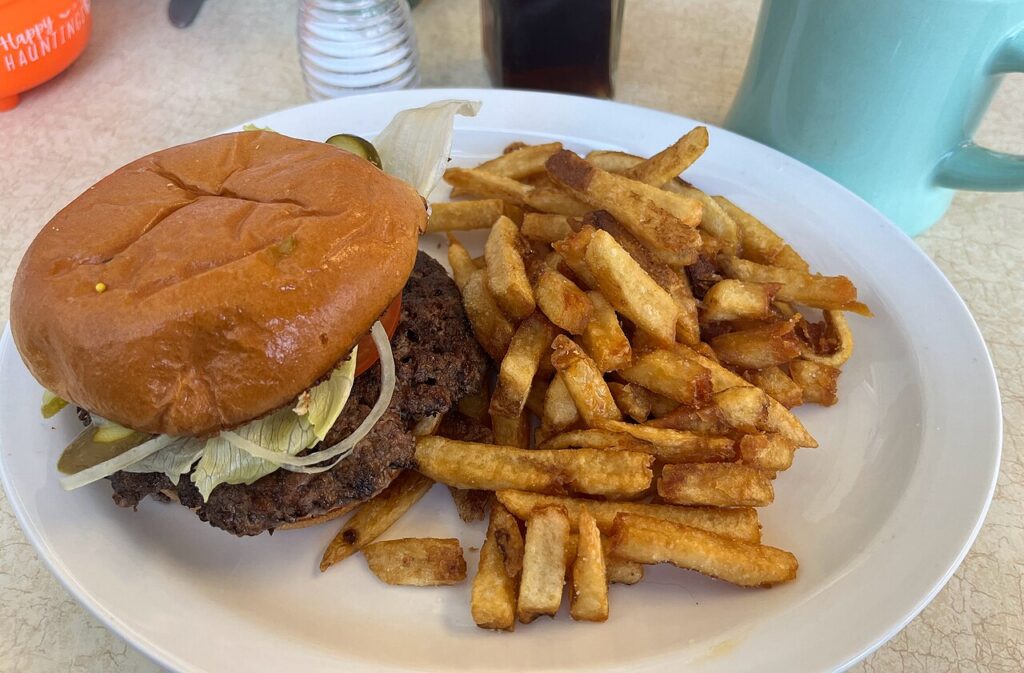
A memorable smash patty relies on restraint. Because the beef cooks in under three minutes, every component has a specific structural and flavor job:
- 80/20 Ground Beef: A ratio of 80% lean meat to 20% fat (ideally ground chuck) is essential. Too lean, and the burger dries out instantly; 20% fat renders onto the hot steel, frying the meat edges until crisp while keeping the interior tender.
- American Cheese: Purists insist on classic sliced American cheese because of its unmatched melting properties. It drapes evenly over the irregular, craggy crust without breaking or turning oily.
- Soft Potato or Brioche Bun: A pillowy, lightly steamed and butter-toasted potato bun—such as Martin’s Potato Rolls—compresses easily in your hands and absorbs meat juices without falling apart.
- Dill Pickles & Sharp Onions: Thinly sliced crinkle-cut dill pickles and finely diced raw or griddled onions cut straight through the richness of the beef and cheese.
- House Burger Sauce: Most spots serve a tangy blend of mayonnaise, ketchup, yellow mustard, finely chopped pickles, and a splash of vinegar or Worcestershire sauce.
The overall flavor profile is bold, salty, beef-forward, and balanced by bright acidity and soft sweetness from the bun.
Popular Styles & Regional Variations
Though the foundational technique stays the same, chefs and regional diners have created distinct personalities around the griddle:
- The Oklahoma Fried Onion Burger: Shaved white or yellow onions are piled directly onto the ball of beef before smashing. The onions steam in beef fat, caramelize against the steel, and fuse into a sweet, savory crust.
- Wisconsin Butter Burger: Originating in the dairy heartland, this variation pairs seared, lacy patties with a generous pat of fresh butter placed directly on top of the toasted bun crown.
- California-Style Double Smash: Often featuring mustard-grilled patties, crisp shredded iceberg lettuce, ripe tomato, and thousand-island-style spread tucked into a toasted sponge-dough bun.
- Smashed-Edge Steakhouse & Dry-Aged Versions: Modern gourmet joints blend chuck, brisket, and short rib or dry-aged beef, sometimes topping patties with bone marrow butter, aged cheddar, or caramelized shallots.
How It Is Prepared & Served
Speed and heat define the cooking process. Griddle temperatures typically sit between 400°F and 450°F (204°C–232°C) with zero oil added to the surface—you want the cold meat to stick slightly so it forms a crust. Cooks portion beef into loose 2- to 3-ounce balls, avoiding overworking the meat so it stays airy.
Once dropped onto the dry hot steel, the ball is smashed firmly down within the first 10 seconds using a stiff spatula, sometimes with a slight outward smear at the perimeter to create paper-thin, crispy “lace.” After seasoning generously with kosher salt and coarse black pepper, the patty sizzles untouched for 60 to 90 seconds until browned juices bubble up through the top. A sharp metal scraper slides cleanly underneath to preserve the crust, the patty is flipped, topped immediately with cheese, and stacked into a double or triple patty masterpiece. It is almost always served piping hot wrapped in parchment or foil, which lightly steams the bun and marries the textures together.
Where to Eat Smash Burger: Famous Restaurants & Spots Around the World

What started in American diners has exploded into a global obsession, with dedicated counters thriving from Los Angeles to Tokyo:
United States
- Hamburger America (New York City): Opened by burger historian George Motz in SoHo, this counter serves authentic regional classics, including an extraordinary Oklahoma Fried Onion Smash.
- 7th Street Burger (New York City): Famous for stripped-down, late-night double cheeseburgers with deeply caramelized crusts and jalapeño add-ons.
- Burgers Never Say Die & For The Win (Los Angeles): Two California institutions known for ultra-thin, lacy-edged patties, classic American cheese, and punchy house sauces.
- Culver’s & Freddy’s Frozen Custard & Steakburgers (Midwest & Nationwide): Iconic American chains keeping the midwestern ButterBurger and crispy shoestring-steakburger traditions alive.
- Au Cheval / Small Cheval (Chicago): Celebrated for rich, griddle-seared prime beef patties topped with thick-cut peppered bacon and dijonnaise.
Europe
- Dumbo & Junk (Paris, France): Dumbo sparked Paris’s smash craze from a tiny Pigalle storefront, while Junk has expanded its sleek, minimalist double-smash menu across France and into London.
- Supernova & Bleecker (London, UK): Supernova in Soho draws long lines for textbook lacy-edged cheeseburgers, while Bleecker serves dry-aged British beef patties with unmistakable depth.
- Goldies Smashburger (Berlin, Germany): A cult-favorite Berlin spot pairing crispy, juicy patties with bold toppings and loaded fries.
Asia & Australia
- Shogun Burger (Tokyo, Japan): Founded by a butcher-backed team, Shogun smashes coarsely ground Japanese Wagyu beef onto flat-tops for an ultra-rich, deeply savory crust.
- Three Buns (Singapore & Bali): Known for creative Asian-inspired gourmet patties alongside classic double smashes on artisanal demi-brioche buns.
- Mary’s & Burger Head (Sydney, Australia): Essential Australian stops blending classic American-style smash technique with high-quality grass-fed local beef.
Ordering Tips, Pairings & What to Look For
Whether you are dining in or browsing great food places for take out, a few smart ordering choices guarantee the best experience:
- Go for a Double: Because individual smashed patties weigh only 2 to 3 ounces, a single patty often feels too bready. A double delivers the golden ratio of crispy beef, melted cheese, and soft bun.
- Keep Toppings Minimal: Heavy toppings like avocado, fried eggs, or thick tomato slices can cool the burger down and mask that signature beef crust. Stick to cheese, pickles, onions, and sauce on your first visit.
- Eat It Immediately: That lacy crust loses its crunch after 15 minutes in a closed takeout box. If ordering to go, eat it fresh in the car or ask for wet condiments on the side.
- Best Pairings: Crispy shoestring fries or crinkle-cut fries soak up extra sauce beautifully. Wash it down with a cold lager, crisp pale ale, classic root beer, or a thick vanilla milkshake.
Frequently Asked Questions
What is the difference between a regular burger and a Smash Burger?
A regular burger is formed into a thick patty before cooking and grilled or pan-seared to a medium or medium-rare temperature. A Smash Burger starts as a loose ball of beef pressed flat on an ungreased, high-heat griddle, cooking all the way through in about two minutes to create maximum crispy browning and lacy edges.
Why shouldn’t you smash a burger after it starts cooking?
You should only smash the beef within the first 10 to 15 seconds while the fat is still cold and solid. Pressing a patty halfway through cooking squeezes out rendered liquid fat and juices, leaving you with a dry, tough burger.
Can I make a good Smash Burger at home without a commercial griddle?
Yes. A heavy cast-iron skillet or carbon-steel pan heated over high heat works brilliantly at home. Just turn on your kitchen exhaust fan, open a window, and use a sturdy stainless-steel spatula alongside a sheet of parchment paper so the meat does not stick to your press.