
Why One Warm Bite Changes Everything

Few aromas carry the same magnetic pull as butter, toasted sugar, and dark cocoa drifting out of an open oven. Whether you pick up a paper-thin disc from a neighborhood café or break open a half-pound dome in a bustling city bakery, great Chocolate Chip Cookies hit an unmatched balance of comfort and craft. The very first bite is a masterclass in contrast: a faintly crisp, caramelized rim giving way to a tender, bendy center studded with molten pockets of bittersweet chocolate and a whisper of flaky sea salt.
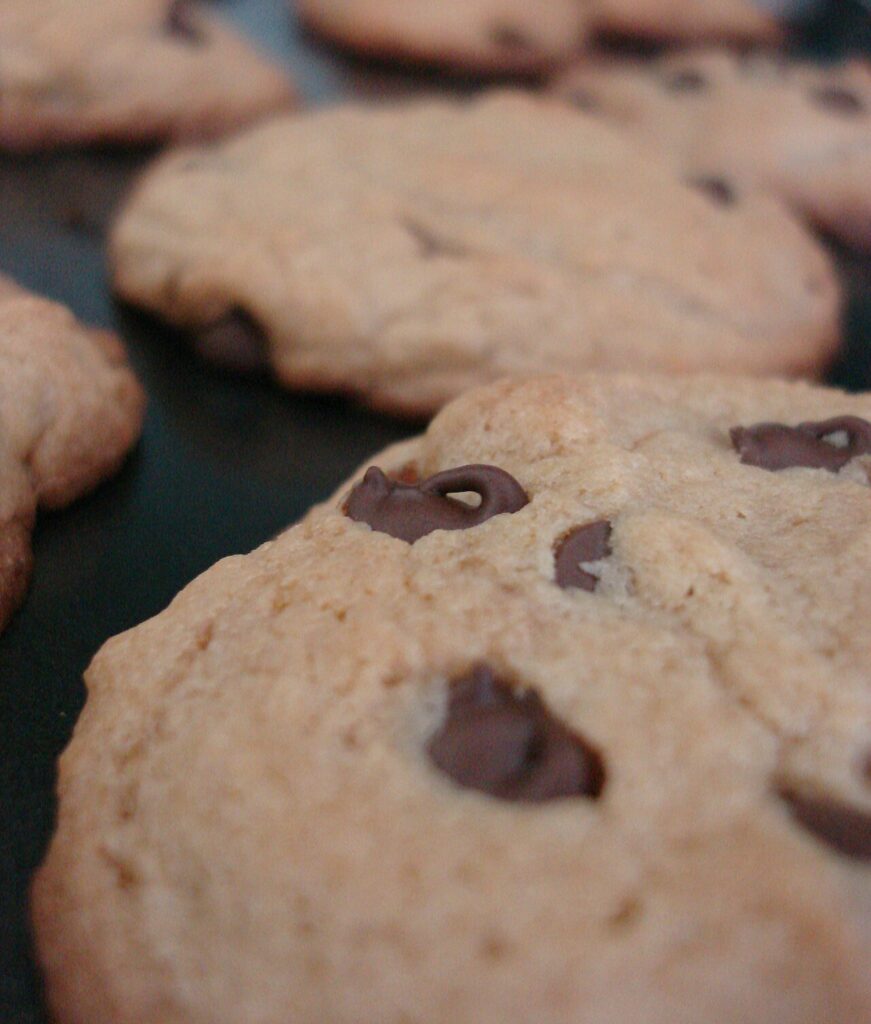
What looks simple on a cooling rack is actually a delicate dance of temperature, fat, and sugar chemistry. That is why this humble bake has inspired obsessive home cooks, Michelin-trained pastry chefs, and destination bakeries across every continent.
From a Massachusetts Inn to Global Obsession

Every icon has an origin story, and this one begins in 1938 at the Toll House Inn in Whitman, Massachusetts. Innkeeper and skilled dietician Ruth Graves Wakefield was looking to refresh her classic Butter Drop Do cookie recipe for guests. Rather than melting chocolate directly into the batter, she chopped a bar of Nestlé semi-sweet chocolate into pea-sized chunks and folded them into the dough.
Popular folklore claims the chunks fell into the bowl by accident, yet culinary historians confirm Wakefield was a meticulous baker who knew exactly what she was testing. She expected the pieces to melt evenly and turn the dough chocolate-brown; instead, the cocoa butter held its shape, creating warm pockets of melted chocolate inside a buttery vanilla base. Her recipe gained national traction when she struck a deal with Nestlé—reportedly exchanging the rights to print her recipe on chocolate bar wrappers for a lifetime supply of chocolate. During World War II, soldiers from Massachusetts shared care packages of Toll House cookies with fellow troops from across the country, turning a regional New England treat into a worldwide staple.
The Delicious Science Behind Texture and Flavor
Walk into any acclaimed pastry kitchen and you will notice bakers treating this everyday treat with the precision of a French croissant. Small tweaks to ingredients or resting times dramatically change how the dough spreads, browns, and sets on the palate. Here are the core building blocks behind an unforgettable batch:
- Browned Butter (Beurre Noisette): Toasting unsalted butter until the milk solids turn amber unlocks nutty, butterscotch-like depth that plain softened butter simply cannot match.
- The Sugar Ratio: Dark brown sugar brings molasses, moisture, and chewiness, while granulated white sugar promotes spreading and those crisp, lacy caramelized edges.
- Hand-Chopped Chocolate Bars: Uniform grocery-store chips contain stabilizers that help them hold their shape. Slicing real couverture chocolate bars creates jagged shards and fine cocoa dust that streak through the dough, forming layered puddles of melted chocolate.
- A 24- to 72-Hour Cold Rest: Chilling the portioned dough allows the flour to hydrate fully and the proteins to break down, concentrating flavor and producing a deeply browned, blistered crust in the oven.
- Flaky Sea Salt Finish: A light pinch of Maldon or fleur de sel right as the tray leaves the oven cuts through the richness and amplifies the roasted notes of the cocoa.
Crispy, Gooey, or Cake-Like: Finding Your Signature Style
Ask ten people to describe their ideal batch and you will get ten fiercely defended blueprints. Across bakeries today, four distinct silhouettes lead the pack:
Thin and Crispy: Built with extra white sugar, melted butter, and a slightly longer bake, these snap cleanly like brittle and pair effortlessly with hot coffee. Thick Bakery-Style Domes: Using cold cubed butter, a blend of cake and all-purpose flour, and a high-heat blast, these bake up tall with craggy tops and pudding-soft centers. Chewy Diner Classics: Thin enough to fold without snapping, these balance browned butter with crisp rims and bendy middles. Savory-Sweet Modern Twists: Pastry chefs now fold in toasted black sesame, white miso, nutty rye flour, or espresso powder to dial up complexity and tame excessive sweetness.
Where to Find the World’s Most Unforgettable Cookies

You do not have to turn on your own oven to experience pastry perfection. Dedicated cookie shops and neighborhood bakeries around the globe have turned this classic into a destination-worthy attraction.
United States: The Birthplace of the Classic
In New York City, Levain Bakery on the Upper West Side helped launch the modern chunky-cookie craze. Order their signature Chocolate Chip Walnut—a six-ounce dome with a deeply golden crust that cracks open to reveal an impossibly warm, gooey interior. Across town in DUMBO, Jacques Torres Chocolate takes a sleeker approach, baking wide, crisp-edged beauties studded with 60% dark chocolate discs that melt into glossy pools. Further south in Orlando, Gideon’s Bakehouse serves staggering half-pound creations encrusted with an avalanche of chocolate chips and chilled for over a day before baking.
Europe: French Pastry Precision Meets British Comfort
In Paris, the tiny café-bakery Mokonuts has earned a cult following for Chef Moko Hirayama’s deeply flavorful takes, weaving ingredients like rye flour, toasted sesame, or miso into chocolate-chunk doughs that balance umami with bittersweet depth. Across the English Channel in London’s Soho neighborhood, Crème brings French patisserie sensibility to thick, warm cookies stuffed with generous chunks of melting milk and dark chocolate, finished with a crisp caramelized bottom.
Australia: Chunky, Indulgent, and Bold
Australia’s café culture embraces generous baking, and Brooki Bakehouse in Brisbane draws daily lines for towering, NYC-inspired creations packed with Belgian couverture chocolate and baked until just set. Down in Sydney’s beachside suburb of Manly, Butterboy turns out rich, buttery discs with crisp perimeters and plush, chocolate-heavy centers that pair seamlessly with a morning flat white.
Asia: East Meets West in Every Batch
In Hong Kong, Cookie DPT rose from an underground pop-up to a citywide obsession thanks to its hefty, slightly salty chocolate chip cookies that strike a spot-on sweet-and-savory chord. Meanwhile, Singapore’s Nasty Cookie leans playfully maximalist, offering oversized bakes with molten cores—grab their Classic Choc Chip or the marshmallow-stuffed Oh! S’mores when it comes fresh off the tray.
How to Order, Reheat, and Pair Like a Pro
Timing matters more than almost anything else when buying from a bakery. Do not hesitate to ask the counter staff which flavor came out of the oven most recently; ten to fifteen minutes post-bake is the golden window when the chocolate stays molten yet the structure holds together. If you bring leftovers home, skip the microwave, which turns crisp edges rubbery. Instead, pop them into a 300°F (150°C) oven or air fryer for four to five minutes to revive the crunch.
When it comes to comfort food cravings, cookies also shine as the finale to a savory feast. After polishing off a griddled Patty Melt or a crispy-edged Smash Burger, few desserts satisfy quite like a warm, salt-flecked cookie. Pair yours with ice-cold whole milk or barista oat milk to coat the palate, a bright Ethiopian cortado to cut through the butter, or a dry Irish stout for a grown-up evening treat.
Quick Answers to Common Cookie Questions

Are there vegetarian, halal, or vegan options available at top bakeries?
Most traditional chocolate chip recipes are vegetarian-friendly, as they rely on butter, eggs, and dairy chocolate. Halal diners should check whether vanilla extract contains alcohol or if a bakery uses halal-certified chocolate and gelatin-free mix-ins. Many modern spots—including Crème in London and Cookie DPT in Hong Kong—now bake dedicated vegan versions using coconut oil or plant-based butter with impressive chewiness.
When is the best time of day to visit a specialty cookie shop?
Mid-morning (around 10:30 AM) or early afternoon (around 2:00 PM) usually delivers the freshest rotation without selling out of flagship flavors. High-volume bakeries like Levain bake continuously throughout the day, while smaller independent cafés often sell out of their morning batch by mid-afternoon.
Why do bakery cookies taste richer than most homemade batches?
Commercial bakeries weigh ingredients in grams for precision, rest their dough under refrigeration for up to 72 hours, and use high-fat European-style butter alongside high-cocoa couverture chocolate rather than standard supermarket chips. Rested dough and better chocolate account for nearly all of that unmistakable bakery richness.
