Why the Patty Melt Still Rules the Griddle
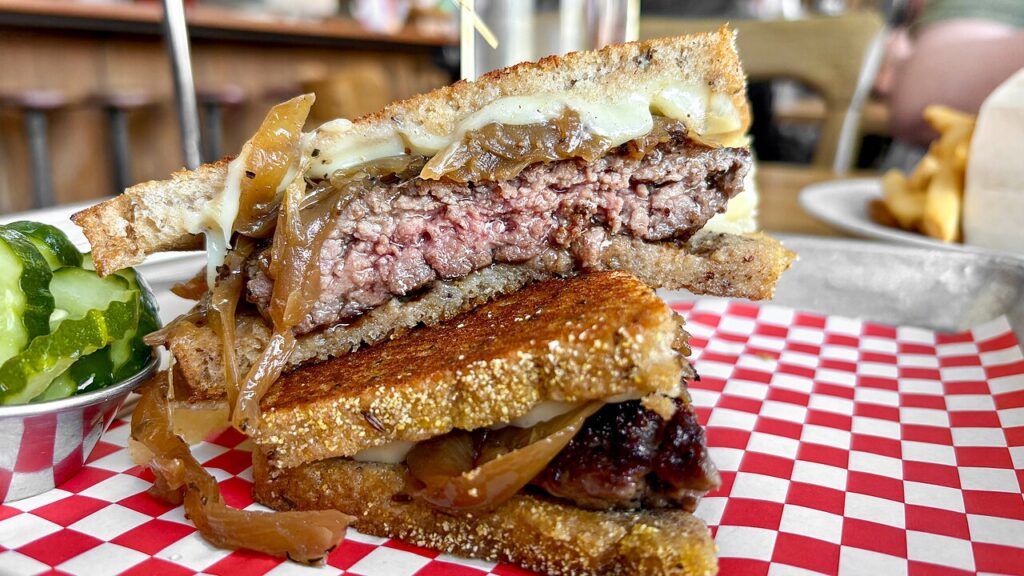
Hear that sharp, buttery crunch before your teeth even hit the beef? That first bite explains why the Patty Melt has outlived decades of fleeting food trends. Sitting squarely at the intersection of a grilled cheese sandwich and a diner hamburger, it trades soft sesame buns for crisp, griddled rye bread, swaps raw red onion for deeply sweet caramelized strands, and locks everything together with molten cheese.
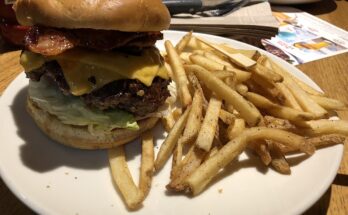
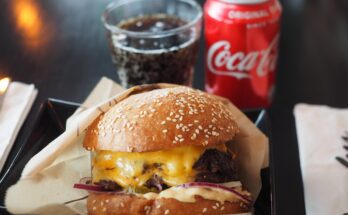
Unlike a towering Cheeseburger packed with cold lettuce, tomato, and slippery condiments, a proper Patty Melt delivers pure, uninterrupted warmth. Every layer touches the hot steel flat-top or shares heat inside the sandwich, creating a unified crust-to-center contrast: shattering toast outside, velvety cheese, sweet onions, and savory beef juice within.
From Los Angeles Countertops to Diner Legend: The Origin Story
The Patty Melt was born out of California car-culture diner ingenuity. Most culinary historians trace its creation to the late 1940s or early 1950s and a Los Angeles restaurateur named William “Tiny” Naylor, who operated the bustling Tiny Naylor’s Drive-In on Sunset Boulevard and La Brea Avenue. At a time when short-order cooks needed fast, hearty food for late-night commuters and studio workers, Naylor fused two menu staples—the grilled Swiss-on-rye and the hamburger patty—into one flat-top masterpiece.
It caught on immediately because it solved a practical diner problem while tasting extraordinary. Hamburger buns go stale quickly and collapse under heavy sauces; sturdy sliced rye kept well in busy kitchens, toasted evenly in clarified butter, and absorbed rendered beef fat without turning soggy. Within a decade, the Naylor family’s creation—further popularized by Tiny’s son Biff Naylor at iconic spots like Du-par’s—became permanent ink on diner menus from Route 66 roadhouses to Manhattan luncheonettes.
Anatomy of a Great Patty Melt

Because a Patty Melt relies on just four core components, there is nowhere for lazy ingredients or rushed technique to hide. Great short-order cooks treat the griddle like an instrument, balancing moisture, fat, and Maillard browning at every stage.
- The Beef: Stick to coarsely ground 80/20 chuck. You want enough fat to baste the meat as it sears. Many modern cooks borrow the lacy-edged technique of a Smash Burger, pressing the patty thin so its diameter matches the corners of the bread rather than leaving sad, empty crust.
- The Bread: Traditionalists demand Jewish rye or marbled rye spiked with caraway seeds, whose earthy, peppery aroma cuts cleanly through rich beef fat and cheese. Slice it about half an inch thick—thick enough to hold structure, thin enough to heat through.
- The Onions: Never settle for translucent, steamed onions. True caramelized yellow onions require 35 to 45 minutes over medium-low heat with butter and a pinch of salt until they turn mahogany brown, jammy, and intensely sweet.
- The Cheese: Classic recipes pair nutty Swiss cheese on one side with fast-melting American or Gruyère on the other. Double-cheesing acts as edible mortar, gluing the patty and onions directly to the toasted rye.
- The Fat: Spread softened salted butter—or a thin swipe of mayonnaise—edge to edge on the exterior bread faces before grilling low and slow so the cheese melts completely before the rye scorches.
Classic Styles and Regional Twists

While Los Angeles established the rye-and-Swiss blueprint, regional cooks across America and beyond have remixed the formula to match local cravings.
The Classic California Diner Melt: Marbled rye, single seared beef patty, two slices of Swiss, and sweet griddled onions, served sliced diagonally with a crisp kosher dill spear.
The Southern Texas Toast Melt: Popularized across Texas and the American South, this version ditches rye for thick, pillowy slices of buttered Texas toast, swaps Swiss for Monterey Jack and American cheese, and adds a smoky, black-pepper-heavy sauce.
The Frisco Melt: A Midwest favorite built on sourdough bread with American and Swiss cheeses plus tangy Thousand Island dressing. Some diners even tuck crisp smoked strips inside, borrowing the salty crunch of a Bacon Cheeseburger without losing that signature grilled-sandwich press.
The Oklahoma Onion-Smashed Melt: Paper-thin shaved white onions are pressed directly into raw beef on a screaming-hot griddle, steaming the meat while crisping the edges before landing between buttered sourdough or rye.
Where to Eat the Best Patty Melt Around the World

United States: Los Angeles, New York, and Texas
In its hometown of Los Angeles, Cassell’s Hamburgers in Koreatown treats the Patty Melt with reverent precision, grinding prime chuck daily and serving it on crisp griddled rye with Gruyère, deeply browned onions, and house-made thousand island. Across the country in New York City, historic Flatiron luncheonette S&P Lunch (occupying the beloved former Eisenberg’s space) presses a textbook griddled rye Patty Melt at a marble counter that feels frozen in the golden age of Manhattan delis. Meanwhile, down in Texas and across the Sun Belt, Whataburger turned its Texas Toast Patty Melt—loaded with Monterey Jack, American cheese, grilled onions, and Creamy Pepper Sauce—into a cult late-night institution.
United Kingdom: London
London’s burger scene has embraced American flat-top craft with serious British dry-aged beef. At MEATliquor, known for unapologetically decadent comfort food, griddled patties meet molten American cheese, charred onions, and toasted bread in an atmosphere built for loud music and messy napkins. Their attention to seared crust and high-fat beef captures the exact spirit of a midnight diner counter.
Asia: Bangkok and Tokyo
In Bangkok, Thailand, the 24-hour American burger bar 25 Degrees (located inside Pullman Bangkok Hotel G) serves a meticulously constructed diner melt featuring freshly ground beef, rich melted cheese, and caramelized onions alongside classic fries and spiked milkshakes. In Tokyo, Japan, Bubby’s brings authentic New York comfort food to the city with thick griddled patties, patiently browned onions, and crisp toasted bread that satisfies serious homesick expats and local burger fans alike.
Australia: Melbourne
Down under, Melbourne’s NYC-inspired sandwich bar Bowery to Williamsburg brings serious deli credibility to the laneways. Alongside towering pastrami Reubens, their griddled patty melt pairs juicy seasoned beef with melted Swiss, sweet onions, and Russian dressing on toasted rye, hitting every salty, tangy, buttery note.
Pro Ordering Tips and Ideal Pairings

If it is your first time ordering a Patty Melt, ask the server if the kitchen uses rye bread and caramelized onions by default—some diners default to white toast or raw white onions unless requested. Ask for a side of Russian dressing, house pickles, or spicy pickled jalapeños to cut through the richness between bites.
For sides, skip heavy loaded fries and go for crisp shoestring French fries, golden tater tots, or salt-and-vinegar kettle chips that mirror the sandwich’s crunch. Pair your plate with something cold, sharp, and effervescent: a frosty root beer, an ice-cold cherry soda, or a crisp dry-hopped Pilsner washes the palate clean so every bite tastes just as rich as the first.
Patty Melt FAQ
What is the difference between a patty melt and a cheeseburger?
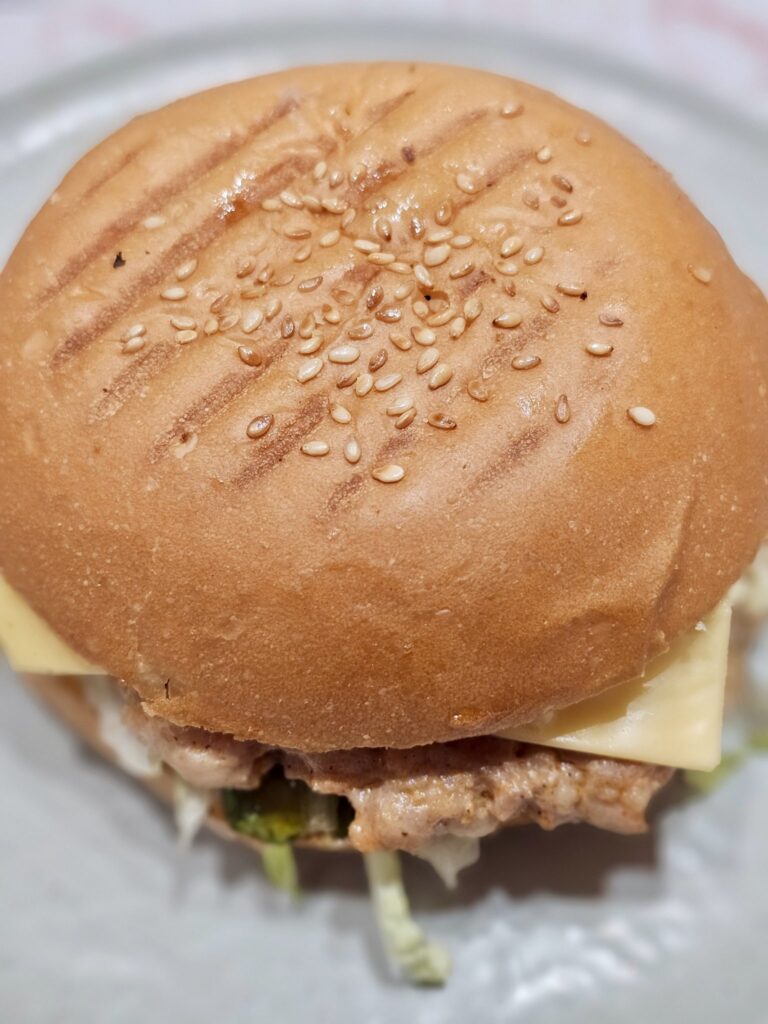
A cheeseburger is served on a soft round bun and typically topped with crisp cold garnishes like lettuce, tomato, and raw onion. A Patty Melt uses sliced bread—traditionally rye—toasted directly in butter on a griddle with melted cheese and sweet caramelized onions, making it closer to a meat-filled grilled cheese.
Can you make a halal, vegetarian, or gluten-free patty melt?
Yes, and it adapts remarkably well. Use certified halal 80/20 ground beef for a halal version, or swap in a seared plant-based patty or roasted portobello mushroom cap brushed with soy sauce for vegetarians. For gluten-free diners, sturdy gluten-free sourdough or multigrain slices toast cleanly in a dedicated skillet without crumbling.
Is it better to make a patty melt at home or order it at a diner?
Restaurants have a major advantage with seasoned steel flat-tops that cook onions, beef, and bread simultaneously, yet homemade versions can rival any diner if you take your time. Caramelize your onions patiently in a cast-iron skillet first, sear the beef hot, and press the finished sandwich gently under medium-low heat so the cheese turns molten without burning the rye.