Few comfort foods command the universal love and culinary loyalty of the humble Cheeseburger. Whether grabbed at a late-night drive-thru, savored in a bustling bistro, or seared on a backyard cast-iron skillet, this iconic creation balances savory richness, melted dairy, and bright acidity in every bite. In this complete guide, we explore how the cheeseburger came to be, what makes its flavor unforgettable, and the top destinations across the USA, Europe, and Australia to order one.
What Is a Cheeseburger? Origin & History
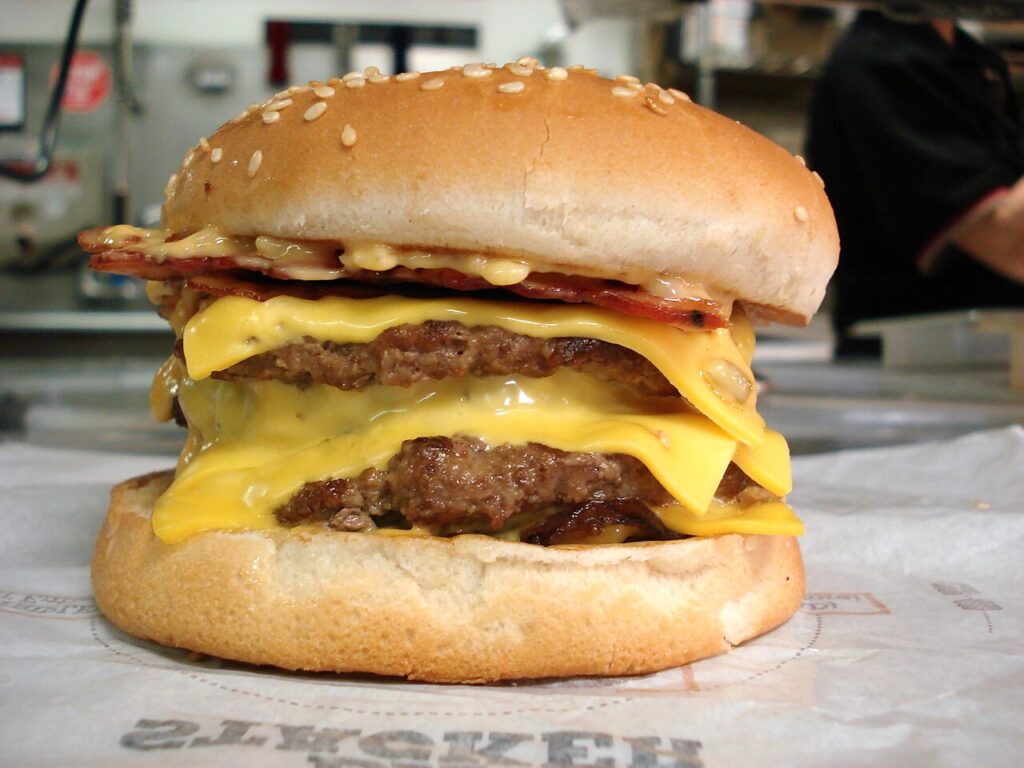
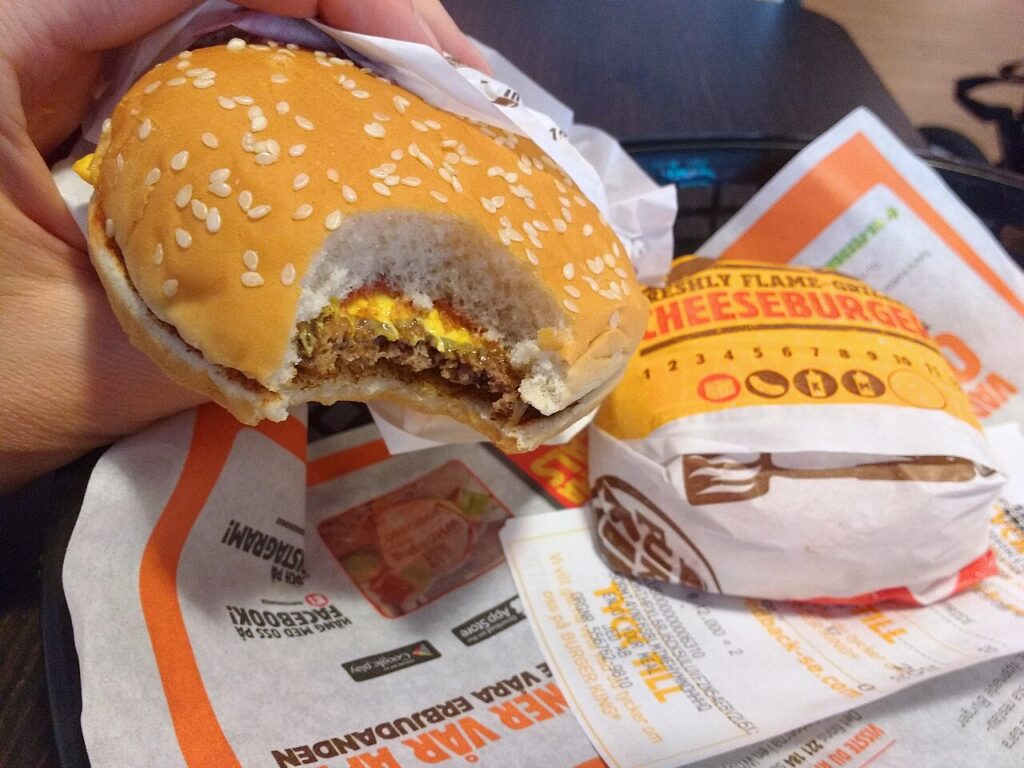
At its core, a cheeseburger is a hamburger topped with melted cheese, typically placed directly onto a hot beef patty during the final moments of cooking so the cheese softens and drapes over the meat. While ground beef sandwiches existed in the late nineteenth and early twentieth centuries, adding cheese transformed the dish into an American dining phenomenon during the 1920s and 1930s.
The most famous origin story traces back to 1924 in Pasadena, California. According to culinary lore, a sixteen-year-old fry cook named Lionel Sternberger accidentally burned one side of a hamburger patty at his father’s sandwich shop, The Rite Spot. To hide the mistake—or out of pure inspiration—he slapped a slice of American cheese over the charred surface and served it. Customers loved it, and the “aristocratic burger” earned a permanent place on the menu. Other cities, including Louisville, Kentucky (Kaelin’s Restaurant in 1934) and Denver, Colorado (Humpty Dumpty Barrel Drive-In in 1935, which even trademarked the word), also stake claims to popularizing the dish. Regardless of who melted that first slice, by the post-war diner boom of the 1950s, the cheeseburger had become a global staple.
Key Ingredients & Authentic Flavor Profile
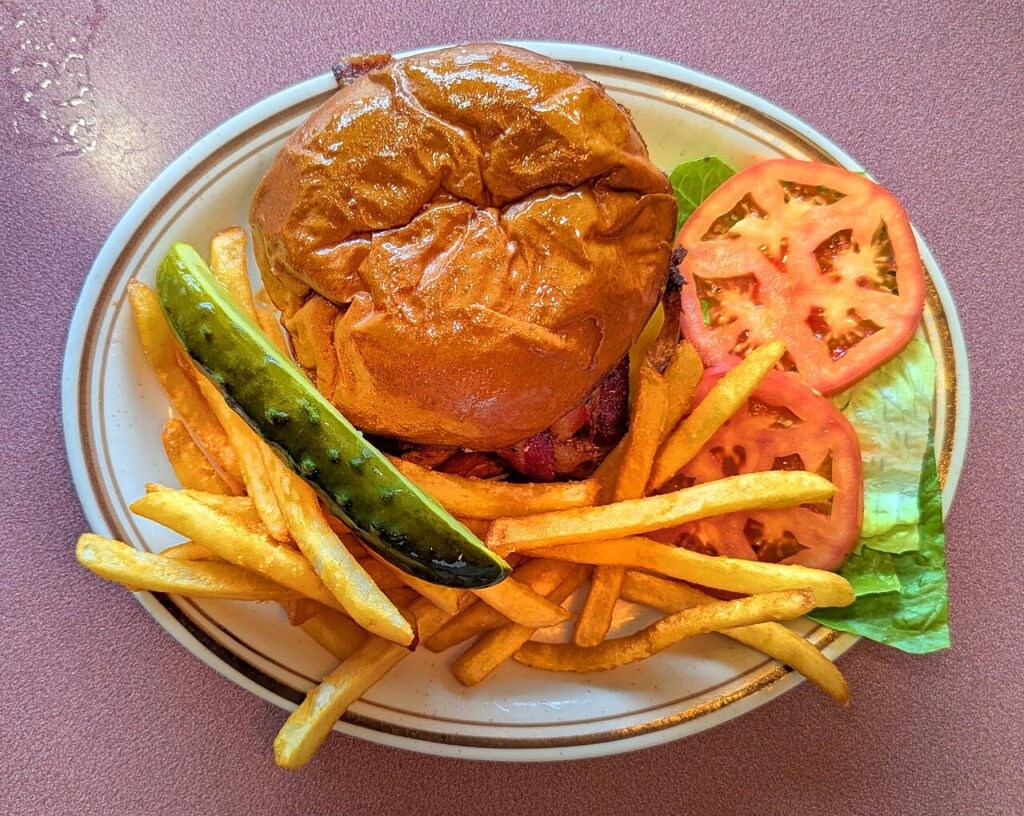
A standout cheeseburger does not rely on complicated garnishes; it depends on high-quality components working in harmony. Here are the essential building blocks and what each contributes:
- The Beef Patty: Traditionalists swear by an 80/20 lean-to-fat ratio using freshly ground chuck, brisket, or short rib. That 20 percent fat keeps the meat juicy while fueling rich browning on the griddle.
- The Cheese: Classic American cheese remains the gold standard for its unmatched meltability and creamy saltiness. Sharp cheddar, aged Gruyère, pepper jack, and blue cheese offer bolder, tangier variations.
- The Bun: Soft potato rolls, lightly sweetened brioche, or classic sesame seed buns provide structure without overpowering the filling. Toasting the cut sides in butter prevents sogginess.
- Toppings & Condiments: Crisp dill pickle chips, thinly sliced red or grilled onions, ripe beefsteak tomatoes, and shredded iceberg lettuce add crunch and freshness. Ketchup, yellow mustard, mayonnaise, or a tangy house “burger sauce” tie everything together.
When assembled properly, the flavor profile hits every taste receptor: deep umami from the seared beef crust, velvety fat from the cheese, sweet warmth from the toasted bun, and sharp acidity from pickles and sauce.
Popular Styles & Regional Variations
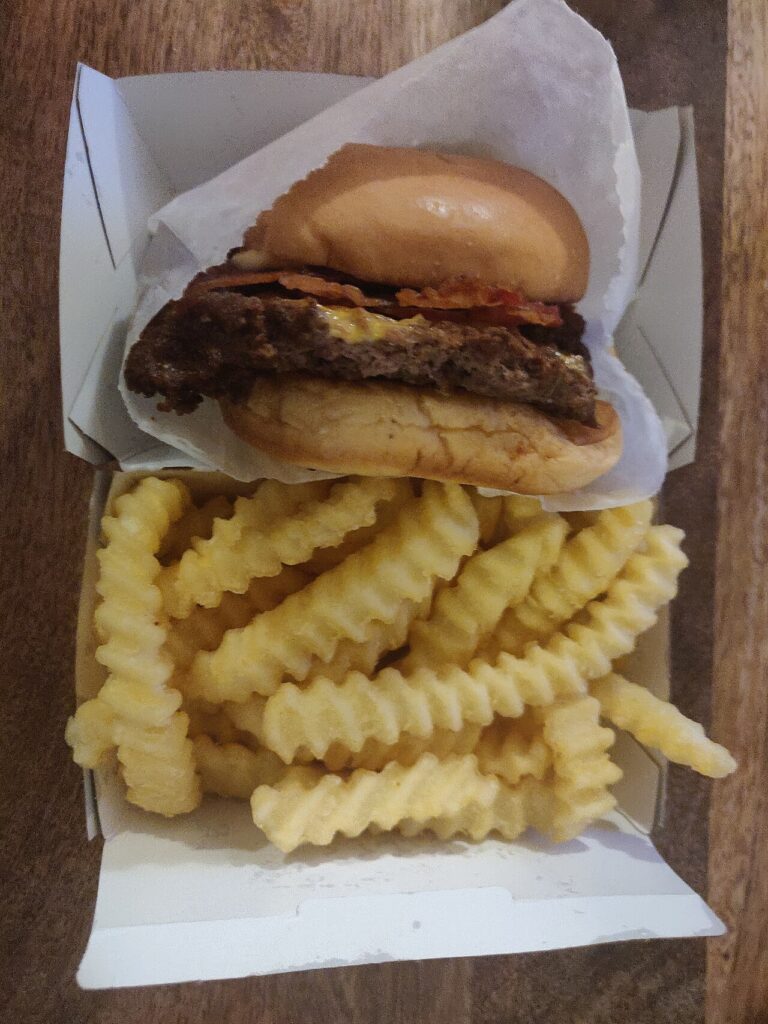
Over the decades, creative cooks have adapted the classic cheeseburger into distinct regional styles that reflect local tastes and cooking techniques:
The Smash Cheeseburger
Currently dominating burger menus worldwide, the smash burger involves pressing a loose ball of ground beef firmly onto a blazing-hot flat-top griddle. The technique maximizes surface contact, creating lacy, caramelized edges—a chemical process known as the Maillard reaction—paired with double layers of gooey cheese.
The Bistro or Pub Burger
Thick, hand-formed patties cooked medium-rare over open flames define the upscale pub burger. Often served on sturdy brioche buns with aged cheddar, caramelized onions, smoky bacon, and garlic aioli, this style is meant to be eaten slowly with a craft beer.
Regional American Classics
Across the United States, local traditions shine. Minneapolis is famous for the Jucy Lucy, where cheese is sealed inside the raw meat before grilling so it erupts when bitten. In Oklahoma, thinly shaved onions are pressed directly into the beef patty on the flat-top, steaming the meat while crisping the edges.
How It Is Prepared & Served
Great cheeseburgers are built on temperature control and timing. Season the beef generously with kosher salt and freshly cracked black pepper right before it hits a preheated cast-iron skillet or stainless-steel flat-top—salting too early draws out moisture and creates a dense texture. Never press down on a thick patty once it has begun searing, as that squeezes out precious juices.
Once flipped, immediately lay the cheese on top. Covering the pan with a metal dome or lid for 30 seconds traps steam and guarantees an even, glossy melt. Transfer the cheesy patty onto a warm, butter-toasted bottom bun, layer crisp toppings away from direct heat when possible, and serve hot alongside golden French fries, onion rings, or coleslaw. Whether you are browsing food places near me for take out on a busy weeknight or firing up your own skillet before streaming an action movie on Amazon Prime Video, speed from grill to plate makes all the difference.
Best Famous Restaurants & Chains Serving Cheeseburgers in the USA, Europe, and Australia
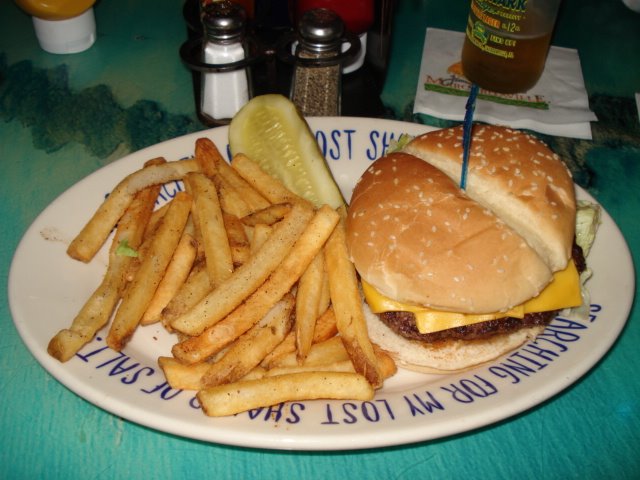
Hungry travelers can find extraordinary cheeseburgers in almost every major food city. Below are iconic spots worth seeking out across three continents.
United States
- In-N-Out Burger (California & Western US): Famous for fresh, never-frozen beef and its “Animal Style” off-menu upgrade featuring mustard-grilled patties, extra spread, pickles, and grilled onions.
- Shake Shack (Nationwide): Originating in New York City, its ShackBurger pairs a crispy-edged smashed patty with American cheese, lettuce, tomato, and signature ShackSauce on a pillowy potato roll.
- Au Cheval (Chicago, Illinois): Widely hailed as one of America’s finest diner burgers, its “single” cheeseburger actually arrives with two prime patties, Kraft American cheese, Dijon-mayo, and house-made pickles.
Europe
- Bleecker (London, United Kingdom): Celebrated for dry-aged, grass-fed beef patties served medium-rare with American cheese and signature burger sauce in minimalist, flavor-focused builds.
- Burgermeister (Berlin, Germany): Housed inside a converted historic public toilet beneath elevated train tracks in Kreuzberg, this beloved street-food landmark serves juicy Meisterburgers until the early hours.
- PNY – Paris New York (Paris, France): Bringing American smash techniques together with French culinary ingredients like aged cheddar, Le Ponclet butter buns, and grass-fed French beef.
Australia
- Bar Luca (Sydney): Home to the legendary “Blame Canada” cheeseburger, stacking a thick beef patty with American cheddar, maple-glazed streaky bacon, maple aioli, and crispy poutine.
- Betty’s Burgers (Nationwide): A coastal-inspired Australian favorite offering classic shack-style cheeseburgers on soft milk buns with crisp vegetables and house sauce.
- Royal Stacks (Melbourne): Inspired by classic American burger stands, their Single Stack features 100% Australian pasture-fed beef, cheddar cheese, pickles, and special burger sauce.
Ordering Tips, Pairings & What to Look For
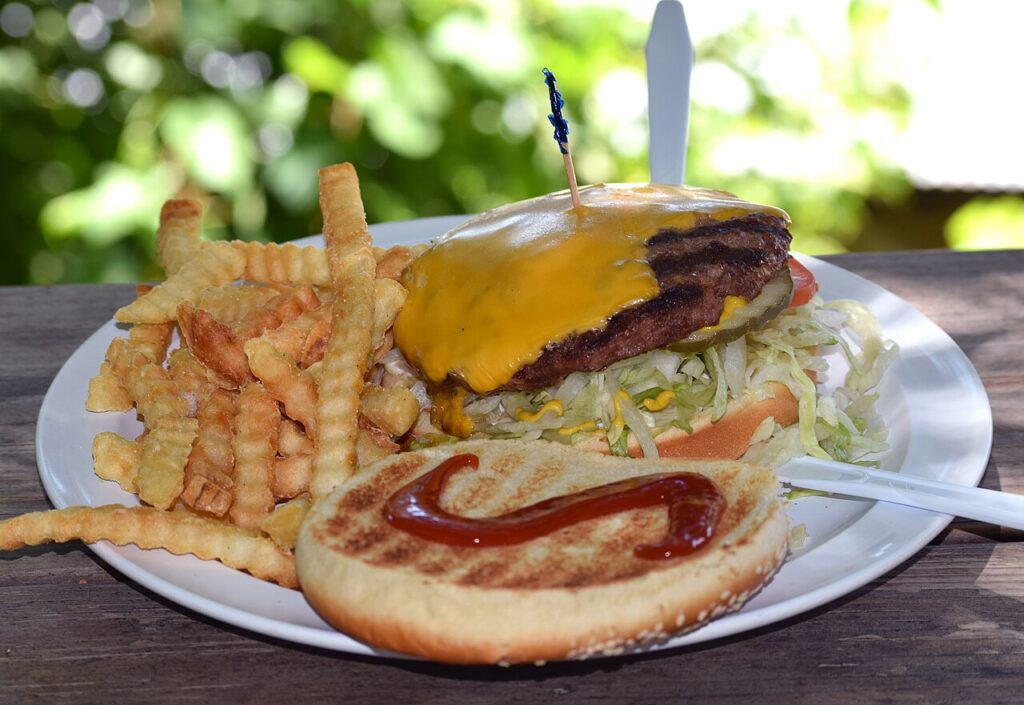
To get the very best cheeseburger experience anywhere you travel, look for menus that emphasize freshly ground beef and list specific cheese varieties. For smash-style burgers, order a double patty—the ratio of crispy beef crust to melted cheese is noticeably better than a single. If ordering a thick steakhouse burger, ask for medium-rare so the center stays tender.
Pair your burger with drinks that cut through rich fat and salt. A crisp pilsner, a dry pale ale, a tart cherry soda, or a classic vanilla milkshake all balance a savory cheeseburger beautifully. When dining out, skip heavy truffle oils or towering novelty toppings on your first visit and taste the restaurant’s standard cheeseburger first—that simple test reveals everything about their kitchen’s craft.
Frequently Asked Questions About Cheeseburgers
What is the best cheese for a classic cheeseburger?
Classic deli-style American cheese is widely considered the best choice because its emulsifying salts allow it to melt smoothly without separating into grease. If you prefer natural aged cheeses, sharp cheddar, Gruyère, Fontina, and Monterey Jack also melt reliably and bring deeper flavor.
Why do restaurants use potato buns or brioche instead of regular white buns?
Potato buns and brioche contain extra starches, butter, or eggs that keep the crumb tender while holding up against hot meat juices and sauces. Standard sandwich buns tend to tear or turn soggy within minutes of assembly.
Are cheeseburgers healthier with lettuce wraps?
Swapping the bun for crisp iceberg or butter lettuce leaves reduces refined carbohydrates and calories significantly, making it a popular gluten-free or low-carb option. However, much of a cheeseburger’s richness comes from the beef fat, cheese, and sauces, so choosing lean beef or lighter condiments also makes a difference.